
Meet Our Therapist
Shannon Kaster LISW, RPT™

I have over a decade of experience in the social work field creating connections, engaging in advocacy, and supporting my community. I have been providing therapy for children, families, and adults since 2023.
In addition to holding a clinical social work license, I received 2 years of specialized post-graduate training to become a Registered Play Therapist™,
Traditional play therapy education focuses on Infant & Early Childhood Mental Health. Because I am "young at heart" and naturally curious, I began to wonder what play looked like with adults. Neuroscience shows that play activates and strengthens the systems responsible for emotional regulation, decision‑making, social bonding, and cognitive flexibility. These effects begin in early childhood and continue across the lifespan. This makes PLAY one of the most essential experiences for healthy brain functioning.
Child-Centered Play Therapy (CCPT)
Through play, children can process sensations, emotions, and experiences in ways that feel natural and developmentally appropriate. This approach is also the most extensively researched and well‑documented method for working therapeutically with children.
Focus Areas and Expertise
Inner Child Therapy
A therapeutic approach that helps adults reconnect with the younger parts of themselves that carry unmet needs or unresolved experiences from childhood. These “inner child” parts often show up in adulthood as patterns of self‑criticism, perfectionism, people‑pleasing, emotional reactivity, or difficulty trusting others.
Child-Parent Psychotherapy (CPP)
A treatment model designed for children ages 0–5 who have experienced trauma or are struggling with attachment‑related challenges. It is one of the most thoroughly studied early‑childhood trauma treatments, supported by randomized controlled trials across multiple countries.
Child-Parent Relationship Therapy (CPRT)
A play‑based parenting program that strengthens the parent–child relationship as the foundation for change. Rather than focusing on correcting behavior, CPRT teaches parents how to respond to the feelings and needs underneath the behavior—helping children feel safe, understood, and connected.


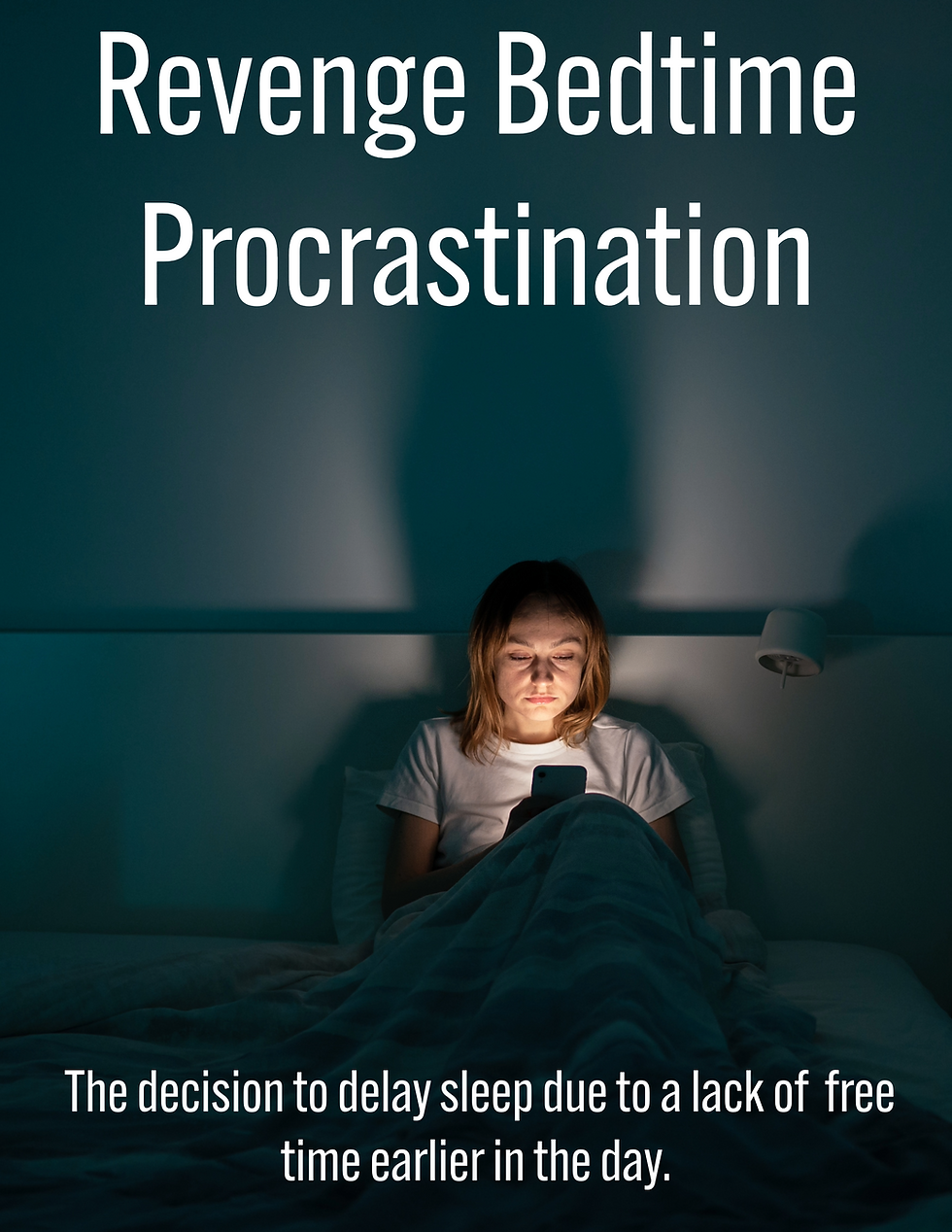
I create and share therapeutic zines as a way to deepen learning and support lasting change. Each zine offers engaging visuals & language that help clients understand new concepts and explore emerging ways of being.
Coping Creatives are personalized, hands‑on tools crafted in session to help clients build their balance, strengthen regulation skills, and carry therapeutic insights into everyday life.

One of my strengths as a play therapist is helping clients imagine, invent, and craft their own coping tools—building a hands‑on coping toolbox that evolves session by session.
Therapy in Action
My Philosophy
I believe play is one of the most powerful ways we grow, heal, and reconnect with ourselves. The brain lights up when we’re fully engaged in something joyful. Play lowers stress, boosts creativity, and helps us access parts of ourselves that talking alone can’t always reach. This isn’t just something I teach—it’s how I live.
I work out with a fantasy‑infused fitness club because turning exercise into a dragon rider training adventure makes motivation feel natural rather than forced. My favorite thing is blowing bubbles, because sometimes the simplest sensory experiences are the ones that calm the nervous system the fastest. I actively use most of the regulation techniques I teach, because I value being able to share from experience rather than theory alone.
And some of my favorite moments with my own kids have been making paper airplanes together—experimenting, laughing, adjusting the folds, and seeing what flies. Those tiny experiments in creativity and problem‑solving inspired the Play Lab logo. They remind me that play isn’t childish; it’s how we learn who we are.
When we make space for play, the brain becomes more flexible, more regulated, and more open to connection. In therapy, that means children—and adults—can access healing in a way that feels safe, natural, and deeply empowering.
